
5 Famous Hanuman Temples That Draw Lakhs of Devotees
“मनोजवं मारुततुल्यवेगं जितेन्द्रियं बुद्धिमतां वरिष्ठम्।
वातात्मजं वानरयूथमुख्यं श्रीरामदूतं शरणं प्रपद्ये॥”
There is a reason this shloka echoes across India every Tuesday and Saturday. Hanuman is not merely worshipped. He is remembered, invoked, relied upon. He is strength without arrogance, devotion without condition, power without pride. Across the country, temples dedicated to him attract lakhs of devotees every year. Some come seeking courage, some relief from fear, some protection from unseen forces, and many simply to sit in the presence of unwavering bhakti.
India is dotted with countless Hanuman temples, but a few stand out not only for their scale but for their history, spiritual reputation, and extraordinary footfall. These temples are not just architectural spaces. They are living centers of faith.
1. Sankat Mochan Hanuman Temple
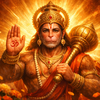 Located in Varanasi, the spiritual capital of India, Sankat Mochan literally means the remover of troubles. The temple is traditionally believed to have been established by Goswami Tulsidas in the 16th century. It is said that Tulsidas had a divine vision of Hanuman at this very spot.
The idol here faces Lord Rama, symbolizing Hanuman’s eternal devotion. The temple is especially crowded on Tuesdays and Saturdays, days considered sacred for Hanuman worship. During Hanuman Jayanti, the number of devotees crosses several lakhs, with continuous recitations of the Hanuman Chalisa and Sundar Kand.
What makes this temple unique is its deep association with devotional literature. Varanasi being the city where the Ramcharitmanas was composed adds historical and spiritual weight to the shrine. Devotees believe prayers offered here help overcome fear, legal troubles, health issues, and mental stress.
2. Hanuman Garhi Perched atop a hill in Ayodhya, Hanuman Garhi is one of the most important Hanuman temples in North India. Devotees must climb around 70 steps to reach the sanctum, symbolizing effort before grace.
According to tradition, Hanuman lived here to protect Ram Janmabhoomi. It is believed that one must seek Hanuman’s blessings at Hanuman Garhi before visiting Lord Rama’s temple in Ayodhya. The idol here depicts a young Hanuman seated with Mother Anjani.
The temple’s structure resembles a small fort, reflecting both spiritual and protective symbolism. Major festivals such as Ram Navami and Hanuman Jayanti witness an overwhelming surge of devotees. The temple serves as a spiritual gateway to Ayodhya, reinforcing Hanuman’s role as guardian and servant of Lord Rama.
3. Salasar Balaji Temple Salasar Balaji is one of the most revered Hanuman temples in Rajasthan and uniquely depicts Hanuman with a moustache and beard, an uncommon representation. The idol was discovered in the 18th century and is believed to be self manifested.
The temple attracts lakhs of devotees particularly during Chaitra Purnima and Ashwin Purnima fairs. Pilgrims often travel barefoot for miles as an act of devotion. The shrine has become a major pilgrimage hub in North India, with elaborate arrangements for devotees year round.
The uniqueness of the idol adds theological depth. It represents a mature, warrior like Hanuman, reflecting strength combined with grounded humanity. Devotees believe the temple is especially powerful for resolving long standing personal struggles and fulfilling vows.
4. Mehandipur Balaji Temple
The idol here is considered extremely powerful. Devotees follow strict guidelines while visiting, including not consuming food inside the temple premises and not carrying prasad back home. Rituals performed here are rooted in centuries old belief systems tied to protection and purification.
The temple represents Hanuman as the ultimate protector. His role here is not only that of a devotee of Rama but as a guardian against unseen forces. The scale of daily footfall speaks to the enduring trust people place in divine intervention.
5. Namakkal Anjaneyar Temple Standing at around 18 feet tall, the Hanuman idol at Namakkal is one of the tallest in India and remains under open sky. The absence of a roof above the idol is deeply symbolic. It reflects boundless devotion and strength that needs no confinement.
The temple is believed to date back several centuries and holds immense importance in South Indian Vaishnavite tradition. Devotees throng the temple especially during Hanuman Jayanti and Margazhi month celebrations.
The posture of the idol, with folded hands facing Lord Narasimha across the road, reinforces the theme of eternal devotion. The open sky above signifies that divine strength transcends physical boundaries.
वातात्मजं वानरयूथमुख्यं श्रीरामदूतं शरणं प्रपद्ये॥”
There is a reason this shloka echoes across India every Tuesday and Saturday. Hanuman is not merely worshipped. He is remembered, invoked, relied upon. He is strength without arrogance, devotion without condition, power without pride. Across the country, temples dedicated to him attract lakhs of devotees every year. Some come seeking courage, some relief from fear, some protection from unseen forces, and many simply to sit in the presence of unwavering bhakti.
India is dotted with countless Hanuman temples, but a few stand out not only for their scale but for their history, spiritual reputation, and extraordinary footfall. These temples are not just architectural spaces. They are living centers of faith.
1. Sankat Mochan Hanuman Temple
Located in Varanasi, the spiritual capital of India, Sankat Mochan literally means the remover of troubles. The temple is traditionally believed to have been established by Goswami Tulsidas in the 16th century. It is said that Tulsidas had a divine vision of Hanuman at this very spot. The idol here faces Lord Rama, symbolizing Hanuman’s eternal devotion. The temple is especially crowded on Tuesdays and Saturdays, days considered sacred for Hanuman worship. During Hanuman Jayanti, the number of devotees crosses several lakhs, with continuous recitations of the Hanuman Chalisa and Sundar Kand.
What makes this temple unique is its deep association with devotional literature. Varanasi being the city where the Ramcharitmanas was composed adds historical and spiritual weight to the shrine. Devotees believe prayers offered here help overcome fear, legal troubles, health issues, and mental stress.
2. Hanuman Garhi Perched atop a hill in Ayodhya, Hanuman Garhi is one of the most important Hanuman temples in North India. Devotees must climb around 70 steps to reach the sanctum, symbolizing effort before grace.
According to tradition, Hanuman lived here to protect Ram Janmabhoomi. It is believed that one must seek Hanuman’s blessings at Hanuman Garhi before visiting Lord Rama’s temple in Ayodhya. The idol here depicts a young Hanuman seated with Mother Anjani.
The temple’s structure resembles a small fort, reflecting both spiritual and protective symbolism. Major festivals such as Ram Navami and Hanuman Jayanti witness an overwhelming surge of devotees. The temple serves as a spiritual gateway to Ayodhya, reinforcing Hanuman’s role as guardian and servant of Lord Rama.
3. Salasar Balaji Temple Salasar Balaji is one of the most revered Hanuman temples in Rajasthan and uniquely depicts Hanuman with a moustache and beard, an uncommon representation. The idol was discovered in the 18th century and is believed to be self manifested.
The temple attracts lakhs of devotees particularly during Chaitra Purnima and Ashwin Purnima fairs. Pilgrims often travel barefoot for miles as an act of devotion. The shrine has become a major pilgrimage hub in North India, with elaborate arrangements for devotees year round.
The uniqueness of the idol adds theological depth. It represents a mature, warrior like Hanuman, reflecting strength combined with grounded humanity. Devotees believe the temple is especially powerful for resolving long standing personal struggles and fulfilling vows.
4. Mehandipur Balaji Temple
Tirupati, Jun 16 (ANI): Union Minister of Commerce and Industry Piyush Goyal during his visit to Tirupati Balaji Temple, in Tirupati on Monday. (@PiyushGoyal X/ANI Photo)
Mehandipur Balaji is perhaps the most intense Hanuman shrine in India. Known widely for rituals associated with relief from negative energies and spiritual afflictions, the temple draws thousands daily and lakhs during peak days.The idol here is considered extremely powerful. Devotees follow strict guidelines while visiting, including not consuming food inside the temple premises and not carrying prasad back home. Rituals performed here are rooted in centuries old belief systems tied to protection and purification.
The temple represents Hanuman as the ultimate protector. His role here is not only that of a devotee of Rama but as a guardian against unseen forces. The scale of daily footfall speaks to the enduring trust people place in divine intervention.
5. Namakkal Anjaneyar Temple Standing at around 18 feet tall, the Hanuman idol at Namakkal is one of the tallest in India and remains under open sky. The absence of a roof above the idol is deeply symbolic. It reflects boundless devotion and strength that needs no confinement.
The temple is believed to date back several centuries and holds immense importance in South Indian Vaishnavite tradition. Devotees throng the temple especially during Hanuman Jayanti and Margazhi month celebrations.
The posture of the idol, with folded hands facing Lord Narasimha across the road, reinforces the theme of eternal devotion. The open sky above signifies that divine strength transcends physical boundaries.
Contact to : xlf550402@gmail.com
Copyright © boyuanhulian 2020 - 2023. All Right Reserved.