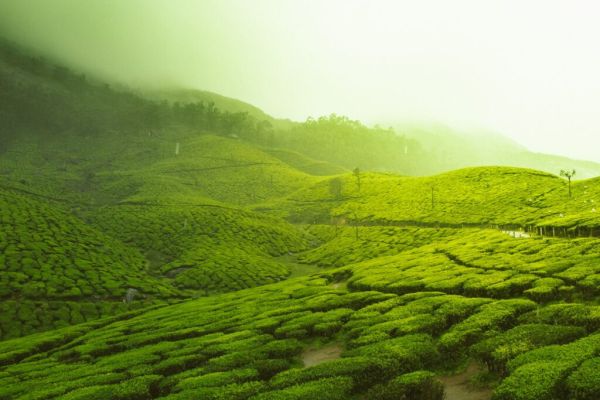
Darjeeling tea, long celebrated worldwide for its delicate aroma and premium quality, is facing a growing crisis as shifting climate patterns begin to reshape one of India’s most iconic agricultural industries. Farmers across the Himalayan foothills of West Bengal report that unusually dry winters followed by irregular rainfall are weakening tea bushes and affecting the flavour profile that has made Darjeeling tea globally renowned. Growers say these changes are already reducing yields and raising concerns about the long term sustainability of production in the region.
The first flush harvest, which typically begins in late February and produces the most valuable and aromatic leaves of the year, has been particularly affected. Known as the champagne of teas, this early harvest can command extremely high prices in international markets. However, tea estate owners say insufficient winter moisture has reduced leaf quality, threatening the distinctive floral and fruity characteristics that define Darjeeling’s reputation.
Experts say the broader Himalayan region is warming faster than many other parts of the world, accelerating environmental stress on traditional tea growing areas. Changes in rainfall timing, rising temperatures, melting glaciers and more frequent extreme weather events are altering soil moisture conditions and making cultivation increasingly unpredictable. Ecologists warn that these trends are not temporary disruptions but part of a larger shift affecting mountain ecosystems across South Asia.
Weather extremes are also causing direct physical damage to tea estates. Heavy rains in recent seasons have triggered landslides that destroyed homes and wiped out portions of tea gardens, while repeated drought periods have reduced productivity over several consecutive years. Producers say buyers are increasingly unwilling to pay premium prices when flavour quality declines, placing additional financial pressure on estates that depend heavily on high value first flush exports.
Industry leaders note that production across Darjeeling’s 87 certified tea estates has already fallen sharply from earlier peak levels, reflecting both climate stress and aging tea bushes that are less resilient to environmental change. At the same time, counterfeit products falsely marketed as Darjeeling tea continue to challenge authentic producers, further weakening revenues. Growers warn that unless conditions stabilize and stronger protections are introduced, the region risks losing its global identity as a source of premium tea while younger generations increasingly turn away from continuing the family tradition of tea cultivation.
Contact to : xlf550402@gmail.com
Copyright © boyuanhulian 2020 - 2023. All Right Reserved.