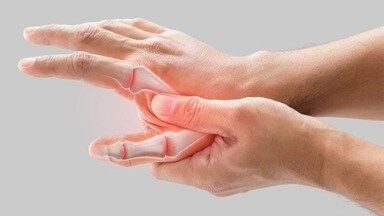
News India Live, Digital Desk: Often we ignore arthritis considering it a disease of old age, but the latest information from the medical world may surprise you. Doctors have warned that now children are also becoming victims of ‘Juvenile Idiopathic Arthritis’ (JIA). If your child often complains of joint pain or difficulty walking, mistaking it for normal ‘growing pains’ can prove costly. If not identified in time, this disease can stunt the growth of the child and cause permanent damage to the organs. What is Juvenile Arthritis (JIA)? According to experts, it is an autoimmune disease. In this, the body’s immune system mistakenly starts attacking its own joint tissues. Due to this, there is swelling, pain and stiffness in the joints. This problem is usually seen in children below 16 years of age. Do not ignore these symptoms. Symptoms of arthritis in children can be a little different and confusing compared to adults: Pain and swelling in the joints: Feeling more pain or stiffness in the joints after waking up in the morning. Limping: The child suddenly starts limping while walking, especially in the morning. Persistent fever: Repeated fever without any infection and accompanied by rashes on the body. Lethargy and fatigue: The child starts losing interest in sports and gets tired quickly. Eye problems: In some cases, redness or blurring of the eyes can also be a sign. Main causes of arthritis in children: Doctors believe that no single exact cause of JIA is yet clear, but some factors increase its risk: Genetics: The risk increases if someone in the family has an autoimmune disease. Environmental factors: Some viruses or external infections. Can trigger this disease. Deteriorating lifestyle: Lack of physical activity and unbalanced eating habits are also affecting the immune system of children. Treatment and management: What should parents do? The good news is that if detected early, it can be completely controlled through medicines and therapy: Early diagnosis: Contact a pediatric rheumatologist (children’s arthritis specialist) immediately when symptoms appear. Physical therapy: Special treatment to keep the joints flexible. Exercise and physiotherapy are very effective. Nutritious diet: Give children food containing Omega-3 fatty acids and Vitamin D which is helpful in reducing inflammation. Mental support: The child may become irritable due to illness, in such a situation support him mentally.
Contact to : xlf550402@gmail.com
Copyright © boyuanhulian 2020 - 2023. All Right Reserved.