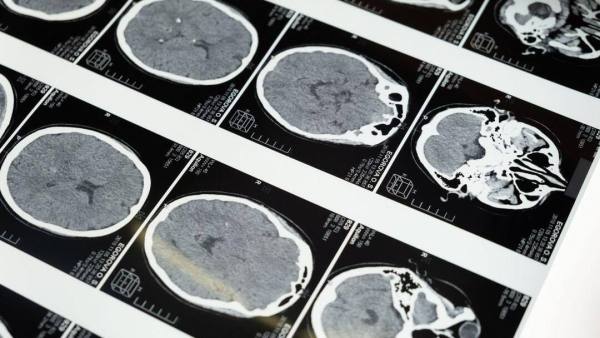
After visiting India, Lowri Denman, a woman from the United Kingdom, had brain scans that showed 38 parasite cysts, turning what at first appeared to be an inexplicable neurological condition into a spectacular medical case. Later, medical professionals determined that she had neurocysticercosis, a parasite condition that affects the nervous system and brain. Infectious disease experts claim that although Denman's illness is rare in the UK, it is still a significant public health concern in many regions of Asia, Africa and Latin America. Her story has also brought to light the fact that symptoms may go unnoticed for months before the illness is eventually identified.
What Is Neurocysticercosis?
Although the larvae of the pig tapeworm (Taenia solium) cause neurocysticercosis, experts emphasise that consuming pork does not cause the illness. The World Health Organization (WHO) states that infection happens when tiny tapeworm eggs are inadvertently ingested through food, water or unwashed hands contaminated with human faeces. This is how doctors think Lowri Denman contracted the infection while in India. She did not get sick right away like many neurocysticercosis sufferers. Rather, it is believed that the parasite stayed inside her body and eventually caused inflammation in her brain, which resulted in neurological complaints.
Why The Symptoms Can Be Difficult To Recognise
The symptoms may not show up for months or even years after infection; neurocysticercosis is frequently detected after the fact. The US Centers for Disease Control and Prevention (CDC) state that many people do not experience any symptoms until the cysts start to die, at which point the body's immune system starts to produce inflammation. Lowri Denman's chronic migraines finally led to additional medical testing, and a brain MRI showed dozens of cysts. Travel history, according to experts, can be a crucial indicator, especially when patients return from areas where the parasite is more prevalent and experience unexplained neurological symptoms.
Signs And Symptoms To Watch For
The quantity, size and location of the brain cysts all affect the symptoms of neurocysticercosis. Seizures are the most common symptom, according to the US CDC and the National Health Service (NHS). However, patients may also have persistent headaches, nausea, vomiting, confusion, memory problems, issues with balance or coordination, blurred vision and weakness or numbness in various body parts. Similar to Denman, a lot of people first have chronic headaches before experiencing other neurological problems. This leads to additional medical testing that ultimately results in a diagnosis.
Can It Be Treated And Prevented?
Even though neurocysticercosis can be dangerous, it is frequently curable if caught early. Depending on the patient's symptoms and the location of the cysts, the CDC states that treatment options may include anti-seizure medication, corticosteroids to reduce inflammation and antiparasitic medications.
WHO advises preventing infection by washing hands properly, having access to clean drinking water, improving sanitation, preparing meals hygienically and making sure the pig is cooked all the way through. To stop the parasite's life cycle, public health initiatives that target and treat tapeworm carriers are crucial.
Who Is Most At Risk And Why Early Diagnosis Matters
In areas with inadequate sanitation, where the parasite still spreads from humans to pigs, neurocysticercosis is most prevalent. WHO states that those who live in or visit certain regions may be more vulnerable if they drink tainted water or food or practice poor hand hygiene. Although Lowri Denman's case is uncommon, it serves as a reminder that unexplained neurological issues or chronic headaches following travel should never be disregarded. According to experts, prompt diagnosis and treatment can greatly enhance results and lower the chance of long-term issues.
Disclaimer: The information provided in the article is intended for general informational purposes only. It is not a substitute for professional medical advice, diagnosis, or treatment. Always seek the advice of your physician or other qualified healthcare provider with any questions you may have regarding a medical condition.
Contact to : xlf550402@gmail.com
Copyright © boyuanhulian 2020 - 2023. All Right Reserved.