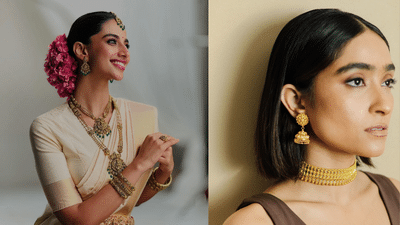
Be it Akshaya Tritiya, Diwali, Durga Puja, Onam, Pongal, Baisakhi, or any wedding celebration, in India, no festival is complete without gold. From the significance attached to gold jewellery during festivals, it is clear that gold plays an important role in bringing out people's emotions, culture, and psychology.
According to psychology, wearing gold during festivals can also trigger improvement in self-image, preservation of cultural history, and even upliftment of mood.
No single theory explains gold's relevance, but we can rely on psychology, anthropology, behavioural economics, and cultural studies to learn what makes gold so significant for festive rituals over the years. 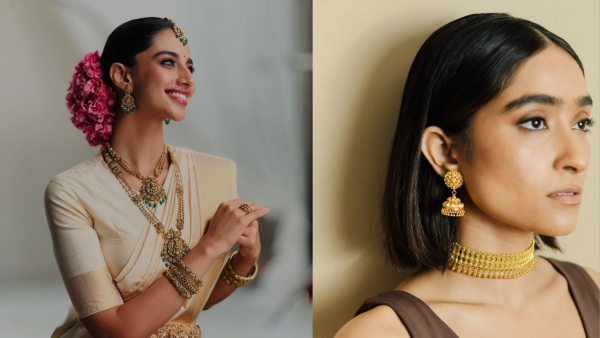
The colour of gold draws notice
Colour psychology explains a fraction of this, as the tone is associated with warmth, sunshine, success, celebration, honour, and luxury. Gold's luster allows it to reflect light naturally during the festival period when the atmosphere is full of lamps, candles, flowers, and colourful clothes, while the shiny and brilliant visual effect enhances the celebrations.
Gold represents success and positive anticipation
The field of psychology suggests that symbols are associated with feelings and behaviour. Gold has been associated with the concept of wealth and success and is considered a way to attract good fortune in India through buying gold on special occasions.
Promotes cultural identity
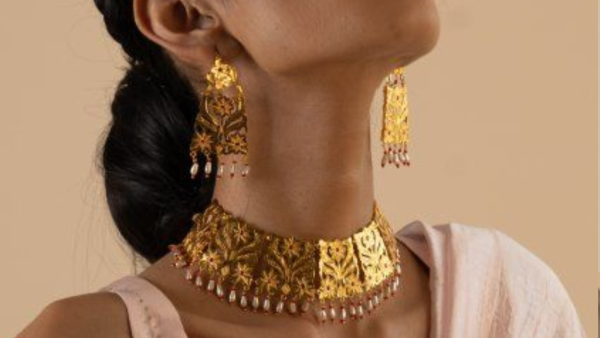
Jewellery and clothing tell us who we are and where we belong. Psychologists note that social identity is established through visible symbols of culture. Throughout festivals, gold jewellery illustrates the unity in cultural heritage. For instance, Temple jewellery from South India, Kundan and Polki jewellery from Rajasthan, and Orissa’s filigree craft demonstrate belonging and family rituals.
It’s more than just luxury
Gold holds a special standing in India, where economy, spirituality, style, and family traditions converge. A piece of gold jewellery may reflect savings done over the years, a treasured present from parents, or a family legacy. The emotional dimension of gold keeps it relevant even though jewellery styles change.
Contact to : xlf550402@gmail.com
Copyright © boyuanhulian 2020 - 2023. All Right Reserved.