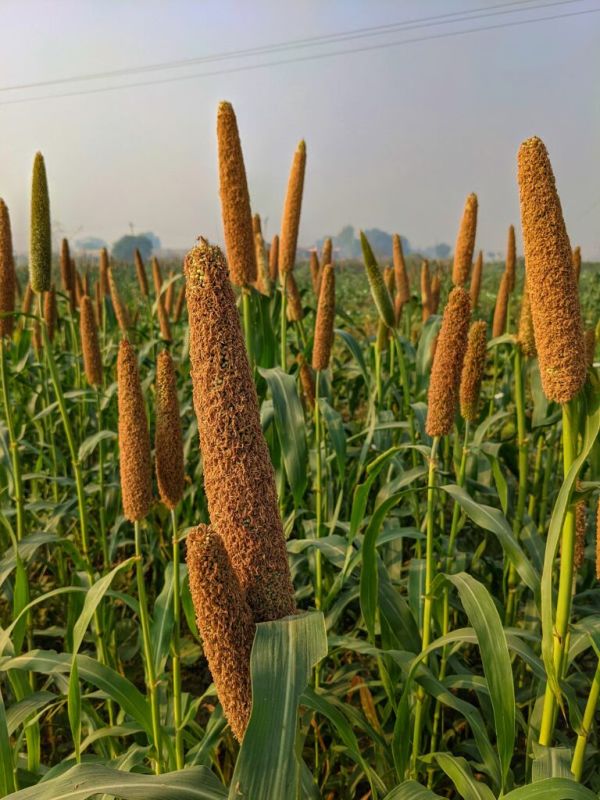
What Are the Lesser-Known Benefits of Millets?
Millets have been part of traditional diets for centuries, but they have recently gained attention as nutritious whole grains. Varieties such as ragi, jowar, bajra, foxtail millet and little millet provide carbohydrates along with dietary fibre, minerals and other beneficial plant compounds.
While millets are often promoted simply as an alternative to rice or wheat, their nutritional profile offers several other potential advantages.
1. They Can Support Better Digestion
Many millet varieties provide a good amount of dietary fibre. Fibre helps add bulk to stool and supports regular bowel movements.
Including fibre-rich foods as part of a balanced diet may therefore help maintain digestive health. However, increasing fibre suddenly can cause bloating, so it is better to increase intake gradually and drink enough water.
2. They May Help With Blood Sugar Management
Whole and minimally processed millets generally contain more fibre than refined grains. Fibre can slow digestion and the release of glucose into the bloodstream.
Some studies have found that replacing refined grains with certain millets may improve blood-glucose responses, although the effect depends on the type of millet, preparation method and overall meal.
People with diabetes should therefore consider millets as part of an overall balanced diet rather than treating them as a cure.
3. They Can Keep You Fuller for Longer
The combination of fibre and complex carbohydrates can contribute to satiety.
A millet-based meal containing vegetables, pulses and a source of protein may keep you satisfied for longer and potentially make it easier to manage overall calorie intake.
4. They Provide Important Minerals
Millets can contribute minerals such as magnesium, phosphorus, iron and zinc, although amounts vary considerably between varieties.
For example, ragi is particularly well known for its calcium content. Including different millet varieties rather than relying on just one can provide greater nutritional diversity.
5. They Are Naturally Gluten-Free
Most commonly consumed millets are naturally gluten-free, making them useful grains for people who need to avoid gluten because of coeliac disease or medically diagnosed gluten- disorders.
However, people with strict gluten avoidance should check packaging and sourcing because cross-contamination can occur during processing.
6. They Contain Beneficial Plant Compounds
Millets contain various polyphenols and other bioactive compounds with antioxidant activity.
These compounds are being studied for their potential role in protecting cells from oxidative stress. However, laboratory findings should not be interpreted as proof that eating millets prevents specific diseases.
7. They Can Add Variety to a Healthy Diet
One underrated benefit of millets is simply their versatility.
They can be used to prepare:
- Rotis
- Dosas
- Idlis
- Porridge
- Upma
- Khichdi
- Salads
- Baked dishes
- Breakfast bowls
Different varieties also have different textures and flavours, making it easier to diversify your diet.
8. They Can Be a Better Choice Than Refined Grains
Replacing some refined grains with whole or minimally processed millets can increase your intake of fibre and micronutrients.
The key is what you replace and how the millet is prepared. A millet dish loaded with sugar, excessive oil or highly processed ingredients may not provide the same benefits as a simple whole-food preparation.
How Much Millet Should You Eat?
There is no single amount that is ideal for everyone. A practical approach is to rotate millets with other whole grains such as oats, brown rice and whole wheat rather than eating large quantities of one grain every day.
If you are new to millets, start with smaller portions and increase gradually according to your digestion and overall dietary needs.
The Bottom Line
Millets aren’t a miracle food, but they can be a valuable part of a balanced diet. Their fibre, minerals, plant compounds and naturally gluten-free nature make them a nutritious alternative to refined grains.
The biggest benefit comes from using millets as part of an overall diet rich in vegetables, fruits, pulses, nuts, seeds and adequate protein—not from treating them as a standalone health remedy.
This article is for informational purposes only and is not a substitute for professional medical or dietary advice.
Contact to : xlf550402@gmail.com
Copyright © boyuanhulian 2020 - 2023. All Right Reserved.