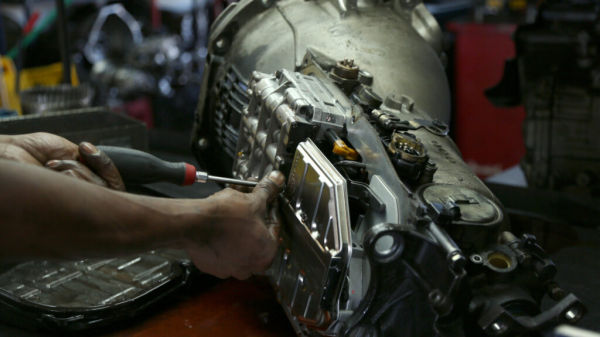
It’s easy to get lost in automotive terms, especially if you’re not a car enthusiast. After all, understanding certain words can be easier when you have a basic understanding of how an engine works. For example, if your car has a “sealed transmission,” it means it doesn’t have a traditional dipstick for checking the fluid and is instead, as the name suggests, sealed. With that in mind, it’s logical to believe you wouldn’t need routine maintenance. That is true for the most part, though there is some nuance to it.
Many vehicles with sealed transmissions are designed to never need maintenance under normal driving conditions. This means that there may be no scheduled fluid change as part of ordinary maintenance. However, the specific requirements can vary by vehicle, and several factors can have an effect. This includes off-road driving and towing, both of which can put added stress on the transmission and may mean its fluid needs to be checked sooner. Even dusty environments can affect how often the transmission needs attention. A sealed transmission isn’t completely off-limits for service, as its fluid can still be drained and replaced.
An example of this is the 2025 Toyota Crown. In the current maintenance schedule for this model, Toyota specifically calls for inspecting the sealed transmission for signs of leakage. If a leak is suspected, the component should then be examined. This means that the lack of a dipstick or a scheduled fluid change doesn’t mean the transmission can just be ignored. Fluid leaks and manufacturer guidance for a particular model should always be taken seriously.
What to know about sealed transmission service
The biggest difference between a sealed transmission and a traditional one is how the fluid is accessed. Older transmissions typically have a dipstick that lets you check the fluid level from under the hood, while a sealed design doesn’t have that feature. This means that checking or replacing the fluid requires a different procedure, which usually involves access points on the transmission itself. However, both types still serve the same mechanical purpose.
So why would fluid in a sealed transmission ever need to be replaced? The fact is, transmission fluid can eventually break down for a number of reasons, including heat. As the fluid deteriorates, it may become less effective at protecting the transmission’s internal components. This is why “lifetime” fluid doesn’t necessarily mean it will never need attention.
When service is eventually needed, it may not be a simple job that just any car owner can handle on their own. That’s because a sealed transmission can have different service procedures from one vehicle to another, and some require equipment that isn’t always available in a home garage. Additionally, the fluid used has to meet certain specifications for that exact transmission. In the end, if someone doesn’t have experience in dealing with a sealed transmission, the work may be better left to a professional.