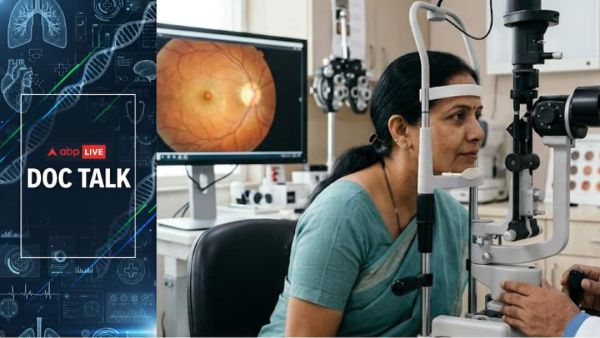
Vision loss does not always begin with a noticeable change in eyesight. Many sight-threatening eye diseases progress silently. Since the eyes and the brain can adapt with gradually changing situations, a person is able to continue with their day-to-day activities without being aware of any vision problems. To some extent, one eye can substitute for the changes that have occurred with the other eye.
Conditions like glaucoma or diabetic retinopathy can cause significant structural damage before a person notices their vision deterioration. Thus, when a person suffers from symptoms like blurred vision, trouble reading, distortion of vision, and peripheral vision loss, the disease may have reached an advanced stage already.
Importance Of Comprehensive Eye Examinations
A routine eye examination is not simply a test to measure a person's ability to see. It is a complete examination that allows an eye specialist to look into the optic nerve, retina, macula, eye pressure and other structures of the eye. This can help to identify serious problems that can impact a patient’s eyesight at an early stage, before symptoms appear. If a disease is detected early enough, the doctor can monitor or treat it in a timely manner before irreversible vision loss occurs.
There are several sight-threatening conditions that can damage vision without noticeable symptoms in their early stages. One of the biggest challenges in preventing avoidable blindness is the silent progression of eye diseases. These eye diseases include:-
- Glaucoma: It which is often called the silent thief of sight, can progressively damage the optic nerve, frequently without early symptoms.
- Diabetic Retinopathy: Retinal damage caused by diabetes may develop while vision remains apparently normal. Regular retinal screening is therefore essential for people with diabetes.
- Age-Related Macular Degeneration (AMD): Early changes in the macula may be subtle. As the disease progresses, patients may develop distortion or loss of central vision.
- Cataracts: This usually progress gradually. Patients may initially notice only mild blurring, glare or difficulty seeing at night, but over time, vision will deteriorate.
Who Should Be Careful About Their Eye Health?
The likelihood of developing the disease increases with age, diabetes, family history of eye disease and certain lifestyle factors such as smoking and inadequate protection from ultraviolet exposure. Diabetic patients must have their retina examined on a regular basis even if their vision appears normal. Individuals with a family history of glaucoma should also be careful and get regular eye check-ups.
How Can Early Diagnosis And Treatment Prevent Blindness?
The sooner an eye condition is identified, the more chances for prevention or slow further damage. Based on the type of disease, treatment may include observation, lifestyle modification, medications, laser treatment, intravitreal injections or surgery.
Importantly, early detection does not entail immediate treatment, it just creates opportunity to make the right decision at the right time.
Disclaimer: The information provided in the article is shared by experts and is intended for general informational purposes only. It is not a substitute for professional medical advice, diagnosis, or treatment. Always seek the advice of your physician or other qualified healthcare provider with any questions you may have regarding a medical condition.
Contact to : xlf550402@gmail.com
Copyright © boyuanhulian 2020 - 2023. All Right Reserved.