Loading...
× Immigration requirements are increasingly influencing international travel decisions, with 43 per cent of passengers saying visa rules and related procedures discouraged them from travelling in 2026, up from 33 per cent in 2025.
International travel is not just about finding affordable flights or choosing a destination. For a growing number of passengers, immigration requirements are becoming a reason to reconsider a trip altogether.
According to the International Air Transport Association’s (IATA) Global Passenger Survey 2026 Highlights, 43 per cent of passengers were discouraged from travelling to a destination because of immigration requirements in 2026, compared with 33 per cent in 2025. The 10-percentage-point increase suggests that entry procedures are becoming a more significant consideration in travel planning.
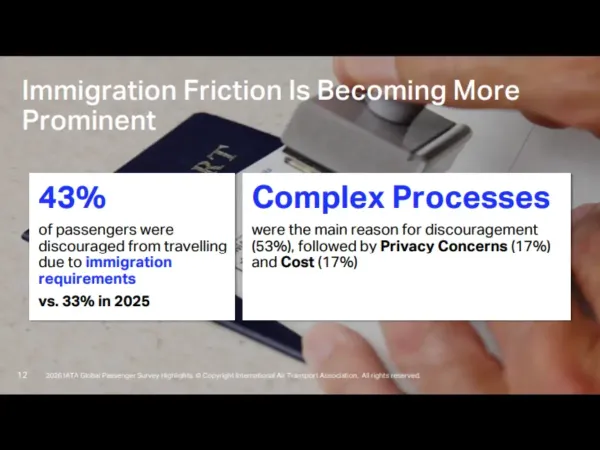 The survey identifies complex processes as the biggest obstacle. Among passengers discouraged by immigration requirements, 53 per cent cited complexity, while 17 per cent each pointed to privacy concerns and cost.
The findings highlight a distinction between wanting to visit a country and being willing to navigate the process required to enter it.
(Join our ETNRI WhatsApp channel for all the latest updates)
Why immigration procedures matter to travellers
Visa applications can involve documentation, appointments, fees and uncertainty over processing times. For passengers, these requirements can make an otherwise attractive destination less appealing.
IATA’s findings suggest that the administrative burden matters alongside the financial cost of travel. While visa expenses can add to the overall holiday budget, complicated procedures were cited by a substantially larger share of passengers deterred by immigration requirements.
The survey does not identify which countries are responsible for the increase or establish how many Indian travellers have abandoned trips because of visa rules. However, its findings offer a broader indication of how immigration procedures can influence international travel demand.
Passengers want immigration checks completed earlier
Despite these concerns, passengers appear willing to embrace digital solutions that could make the process easier.
 According to the IATA survey, 86 per cent of respondents were willing to share immigration information digitally before departure, up from 83 per cent in 2025.
The share of passengers who selected immigration procedures as something they would prefer to complete before travelling also increased, from 41 per cent in 2025 to 45 per cent in 2026.
These figures indicate a preference for completing administrative requirements before reaching the airport. Earlier processing could help passengers prepare for their journeys and reduce the number of procedures they need to complete at departure or arrival.
However, sharing information digitally does not guarantee visa approval or entry into a country. Immigration decisions remain subject to the destination’s laws and entry requirements.
Digital travel is gaining acceptance, but privacy remains a concern
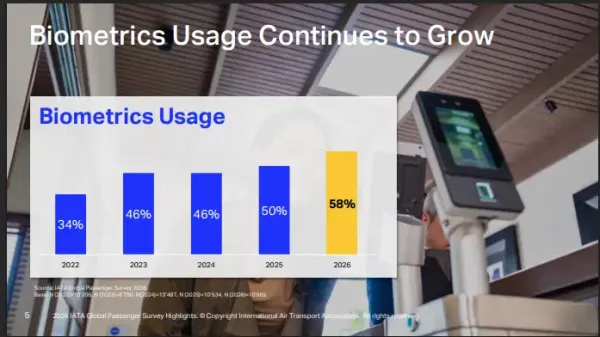
IATA’s survey also points to growing acceptance of biometric identification. The proportion of passengers who experienced biometrics during their airport journey rose from 50 per cent in 2025 to 58 per cent in 2026.
Among passengers who had experienced biometrics, 87 per cent were satisfied with the experience. Overall, 78 per cent were willing to use biometrics to avoid repeatedly presenting passports or boarding passes, while 75 per cent preferred registering once and being recognised throughout their airport journey.
 Interest in digital passports was similarly high. Eighty-four per cent of passengers were interested in using a digital passport for online check-in, while 82 per cent were interested in sharing one with airlines during booking.
Yet convenience comes with concerns about personal information. Data breaches worried 59 per cent of respondents, while 49 per cent were concerned about data being shared with other organisations. Another 41 per cent wanted greater clarity about how their information was used.
The findings suggest that digital immigration systems will need to offer both convenience and clear safeguards for personal data.
Travel decisions extend beyond visa requirements
Immigration is not the only factor influencing passenger behaviour. IATA found that 59 per cent of passengers were discouraged from travelling because of geopolitical issues or conflicts. Among those deterred, 72 per cent cited safety concerns, 13 per cent uncertainty about travel and 10 per cent increased costs.
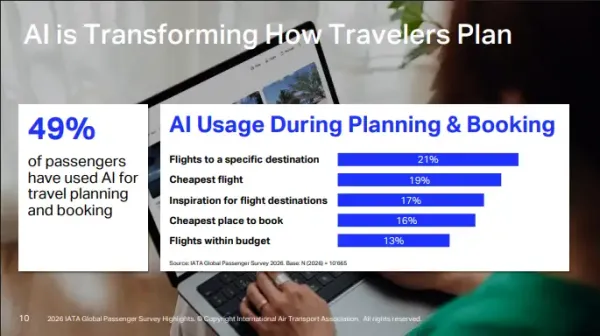
Technology is also changing how people plan journeys. The survey found that 49 per cent of passengers had used artificial intelligence for travel planning and booking, including finding flights to specific destinations (21 per cent), locating the cheapest flights (19 per cent) and discovering destinations (17 per cent).
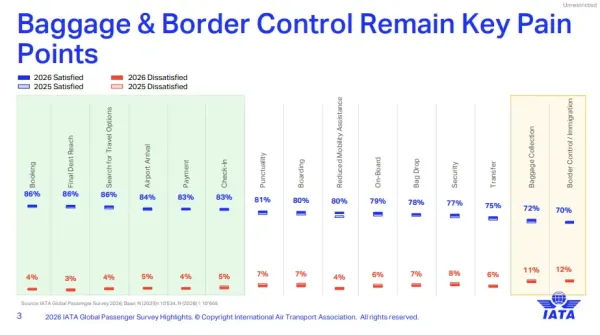
Despite these changes, some airport processes remain frustrating. IATA recorded overall air-travel satisfaction of 87 per cent in 2026, but satisfaction was only 70 per cent for border control or immigration and 72 per cent for baggage collection.
The report’s findings point to a wider challenge for the travel industry and governments: improving the journey requires more than faster flights or digital booking tools. Immigration procedures must also become easier to navigate, while maintaining security and protecting personal information.
For international passengers, the ability to plan a trip confidently may increasingly depend not just on where they want to go, but also on how straightforward it is to obtain permission to enter.
According to the International Air Transport Association’s (IATA) Global Passenger Survey 2026 Highlights, 43 per cent of passengers were discouraged from travelling to a destination because of immigration requirements in 2026, compared with 33 per cent in 2025. The 10-percentage-point increase suggests that entry procedures are becoming a more significant consideration in travel planning.
Source: 2026 IATA Global Passenger Survey Highlight
The findings highlight a distinction between wanting to visit a country and being willing to navigate the process required to enter it.
(Join our ETNRI WhatsApp channel for all the latest updates)
Why immigration procedures matter to travellers
Visa applications can involve documentation, appointments, fees and uncertainty over processing times. For passengers, these requirements can make an otherwise attractive destination less appealing.
IATA’s findings suggest that the administrative burden matters alongside the financial cost of travel. While visa expenses can add to the overall holiday budget, complicated procedures were cited by a substantially larger share of passengers deterred by immigration requirements.
The survey does not identify which countries are responsible for the increase or establish how many Indian travellers have abandoned trips because of visa rules. However, its findings offer a broader indication of how immigration procedures can influence international travel demand.
Passengers want immigration checks completed earlier
Despite these concerns, passengers appear willing to embrace digital solutions that could make the process easier.
Source: IATA Global Passenger Survey 2026; Base: N (2025)=10’534, N (2026) = 10’665
The share of passengers who selected immigration procedures as something they would prefer to complete before travelling also increased, from 41 per cent in 2025 to 45 per cent in 2026.
These figures indicate a preference for completing administrative requirements before reaching the airport. Earlier processing could help passengers prepare for their journeys and reduce the number of procedures they need to complete at departure or arrival.
However, sharing information digitally does not guarantee visa approval or entry into a country. Immigration decisions remain subject to the destination’s laws and entry requirements.
Digital travel is gaining acceptance, but privacy remains a concern
IATA’s survey also points to growing acceptance of biometric identification. The proportion of passengers who experienced biometrics during their airport journey rose from 50 per cent in 2025 to 58 per cent in 2026.
Among passengers who had experienced biometrics, 87 per cent were satisfied with the experience. Overall, 78 per cent were willing to use biometrics to avoid repeatedly presenting passports or boarding passes, while 75 per cent preferred registering once and being recognised throughout their airport journey.
Source: IATA Global Passenger Survey 2026.
Yet convenience comes with concerns about personal information. Data breaches worried 59 per cent of respondents, while 49 per cent were concerned about data being shared with other organisations. Another 41 per cent wanted greater clarity about how their information was used.
The findings suggest that digital immigration systems will need to offer both convenience and clear safeguards for personal data.
Travel decisions extend beyond visa requirements
Immigration is not the only factor influencing passenger behaviour. IATA found that 59 per cent of passengers were discouraged from travelling because of geopolitical issues or conflicts. Among those deterred, 72 per cent cited safety concerns, 13 per cent uncertainty about travel and 10 per cent increased costs.
Source: 2026 IATA Global Passenger Survey Highlights.
Technology is also changing how people plan journeys. The survey found that 49 per cent of passengers had used artificial intelligence for travel planning and booking, including finding flights to specific destinations (21 per cent), locating the cheapest flights (19 per cent) and discovering destinations (17 per cent).
Despite these changes, some airport processes remain frustrating. IATA recorded overall air-travel satisfaction of 87 per cent in 2026, but satisfaction was only 70 per cent for border control or immigration and 72 per cent for baggage collection.
The report’s findings point to a wider challenge for the travel industry and governments: improving the journey requires more than faster flights or digital booking tools. Immigration procedures must also become easier to navigate, while maintaining security and protecting personal information.
For international passengers, the ability to plan a trip confidently may increasingly depend not just on where they want to go, but also on how straightforward it is to obtain permission to enter.