Loading...
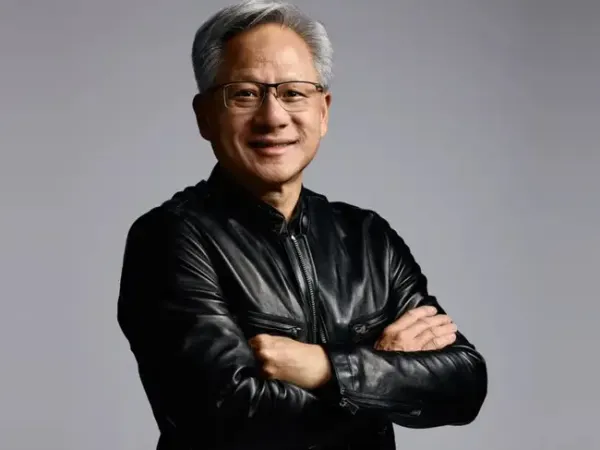
×Jensen Huang, Nvidia's founder.
The Nvidia stock saw a sharp turnaround amid the confusion that was happening as a result of Jensen Huang's leadership problem, as the stock plunged before skyrocketing when his position as CEO was restored by the board of directors on Monday. It shows the extent to which investors were paying attention to leadership problems at one of the leading AI firms in the world.
Nvidia's shares were showing a strong rebound in the immediate market reaction to the reinstatement news, with a live market report on November 23 describing NVDA stock as surging more than 30% in early trading.
Also Read | Jensen Huang is back in the CEO role, but there's more to Nvidia's latest move than meets the eye
This occurred in tandem with a general increase in tech stocks, including the Nasdaq, hinting at increasing optimism about the stock market.
The ups and downs in the NVDA stock in the days around the departure of Huang and his return provided an insight into the way Wall Street balanced leadership stability versus growth prospects for Nvidia through AI.
The leadership upheaval added another layer of uncertainty for investors.
Also Read | Jensen Huang is reinstated as Nvidia CEO, and Elon Musk's campaign comes full circle; what was the tech mogul's role in this?
Historical trading data shows NVDA closed at $166.19 on November 12, 2026—the day Nvidia announced Huang's departure—before falling to $162.85 on November 13.
The stock continued to weaken in the following sessions, reaching $125.53 at the close on November 20. The decline between the November 12 and November 20 closing prices was approximately 24.5%.
The slide raised questions about whether uncertainty surrounding Nvidia's leadership could affect investor confidence.
Nevertheless, one cannot explain the decline merely through the departure of the tech entrepreneur, since other stock market trends, movements within the technology sector, and other events may have impacted NVDA stock during that time as well.
Since Nvidia is heavily dependent on expectations from the artificial intelligence infrastructure, investments in data centres, and advanced chip production, a change in any of those areas might be significant when it comes to the stock price.
According to the filing made to the US Securities and Exchange Commission, Huang's reinstatement has been effected immediately, although Kress remains executive vice president and CFO.
This development followed a period of ambiguity and paved the way for a drastic shift in investor sentiment.
Historical market data cited in the earlier market snapshot showed Nvidia shares at $166.60 on November 23's early trading, compared with $125.53 on November 20. That represents an increase of approximately 32.7%.
The computation involves comparing the prices of the stock on November 20 and November 23 shortly after the reinstatement announcement.
This rally underscored the possible significance that can be attached to the stability of leadership within Nvidia from the investor perspective.
Huang has always been involved in the expansion of the company into the domain of AI chips and computing infrastructure; hence, his reinstatement is considered to remove an important uncertainty for investors.
However, the decision by the board of directors does not signify that all issues arising out of the leadership change were sorted.
In its filing and announcement, Nvidia made it clear that there would be an investigation ongoing, hence addressing governance issues.
The board reportedly reached the decision unanimously following discussions with Huang and input from senior US government officials.
His return puts the company's longtime leader back at the helm as Nvidia continues to navigate the rapidly expanding artificial intelligence market and scrutiny surrounding the leadership controversy.
Colette Kress continues in her role as CFO, while the company said its independent investigation would continue.
Huang's reinstatement could reassure investors concerned about leadership continuity, but Nvidia's stock performance will also depend on earnings, AI chip demand, competition and broader market conditions.
Nvidia's shares were showing a strong rebound in the immediate market reaction to the reinstatement news, with a live market report on November 23 describing NVDA stock as surging more than 30% in early trading.
Also Read | Jensen Huang is back in the CEO role, but there's more to Nvidia's latest move than meets the eye
This occurred in tandem with a general increase in tech stocks, including the Nasdaq, hinting at increasing optimism about the stock market.
The ups and downs in the NVDA stock in the days around the departure of Huang and his return provided an insight into the way Wall Street balanced leadership stability versus growth prospects for Nvidia through AI.
How did Nvidia stock perform after Jensen Huang's exit?
Nvidia shares were already facing market volatility, having pulled back from an October 6, 2026, 52-week closing high of $239.24 (intraday high of $243.37) to close at $173.73 on November 11.The leadership upheaval added another layer of uncertainty for investors.
Also Read | Jensen Huang is reinstated as Nvidia CEO, and Elon Musk's campaign comes full circle; what was the tech mogul's role in this?
Historical trading data shows NVDA closed at $166.19 on November 12, 2026—the day Nvidia announced Huang's departure—before falling to $162.85 on November 13.
The stock continued to weaken in the following sessions, reaching $125.53 at the close on November 20. The decline between the November 12 and November 20 closing prices was approximately 24.5%.
The slide raised questions about whether uncertainty surrounding Nvidia's leadership could affect investor confidence.
Nevertheless, one cannot explain the decline merely through the departure of the tech entrepreneur, since other stock market trends, movements within the technology sector, and other events may have impacted NVDA stock during that time as well.
Since Nvidia is heavily dependent on expectations from the artificial intelligence infrastructure, investments in data centres, and advanced chip production, a change in any of those areas might be significant when it comes to the stock price.
What happened to NVDA stock after Jensen Huang was reinstated?
The reversal came in the wake of Nvidia’s board announcing the appointment of Huang back as president, CEO, and board member.According to the filing made to the US Securities and Exchange Commission, Huang's reinstatement has been effected immediately, although Kress remains executive vice president and CFO.
This development followed a period of ambiguity and paved the way for a drastic shift in investor sentiment.
Historical market data cited in the earlier market snapshot showed Nvidia shares at $166.60 on November 23's early trading, compared with $125.53 on November 20. That represents an increase of approximately 32.7%.
The computation involves comparing the prices of the stock on November 20 and November 23 shortly after the reinstatement announcement.
This rally underscored the possible significance that can be attached to the stability of leadership within Nvidia from the investor perspective.
Huang has always been involved in the expansion of the company into the domain of AI chips and computing infrastructure; hence, his reinstatement is considered to remove an important uncertainty for investors.
However, the decision by the board of directors does not signify that all issues arising out of the leadership change were sorted.
In its filing and announcement, Nvidia made it clear that there would be an investigation ongoing, hence addressing governance issues.
Why Nvidia reinstated Jensen Huang as CEO
Nvidia's board reinstated Jensen Huang as CEO, president and board director on Monday, reversing the leadership decision that had triggered uncertainty around the company's management.The board reportedly reached the decision unanimously following discussions with Huang and input from senior US government officials.
His return puts the company's longtime leader back at the helm as Nvidia continues to navigate the rapidly expanding artificial intelligence market and scrutiny surrounding the leadership controversy.
Colette Kress continues in her role as CFO, while the company said its independent investigation would continue.
Huang's reinstatement could reassure investors concerned about leadership continuity, but Nvidia's stock performance will also depend on earnings, AI chip demand, competition and broader market conditions.